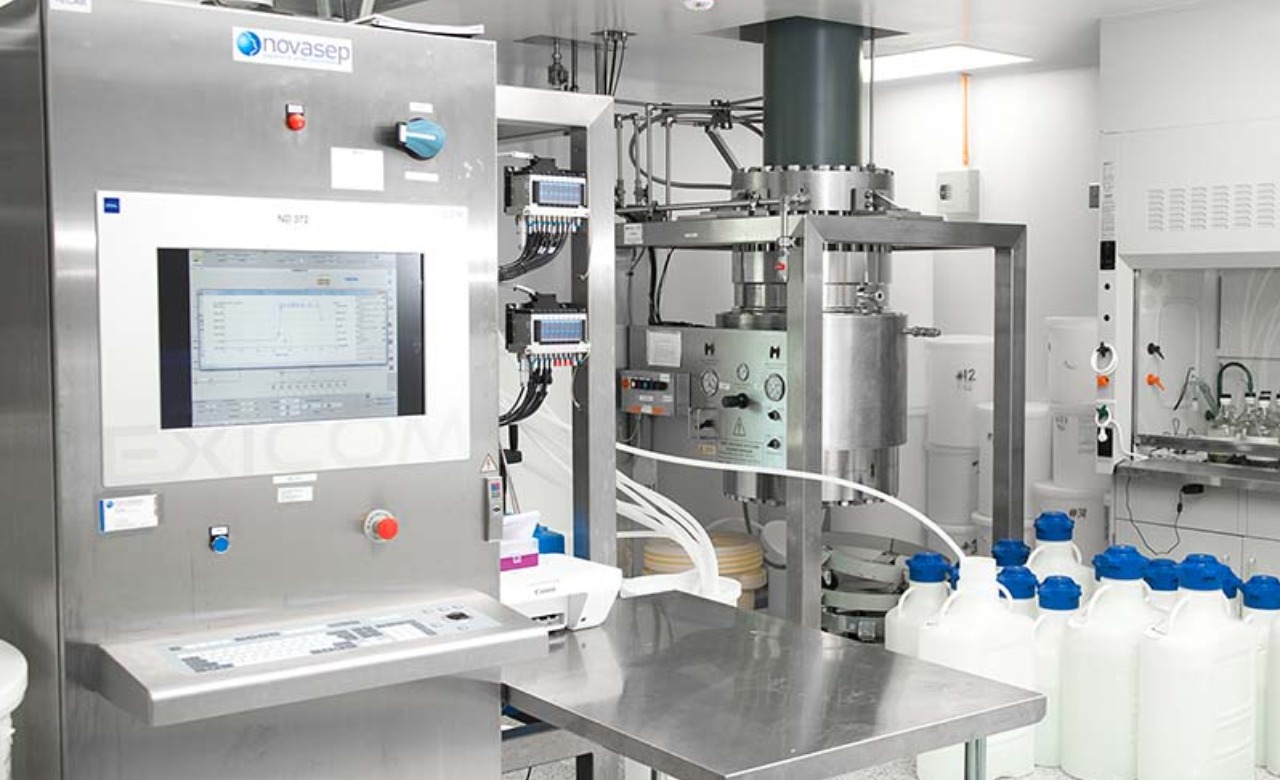
Researchers use a variety of methods including solid phase synthesis, HPLC, and fluorescence assays to study structure-activity relationships. These methods help in synthesizing peptide analogues and analyzing their biological activity against gram-negative bacteria.
Techniques like peptide scanning and fluorescence microscopy are heavily relied upon. These technologies enable the visualization of how peptides interact with bacterial cell membranes, providing a deeper understanding of their mechanism of action.
Case Studies Using Structure-Activity Relationships
Numerous studies have utilized these methodologies to uncover new peptide analogues with enhanced antimicrobial properties. For instance, one study involving the synthesis of cationic peptides showed significant improvements in their efficacy against gram-negative and gram-positive bacteria.