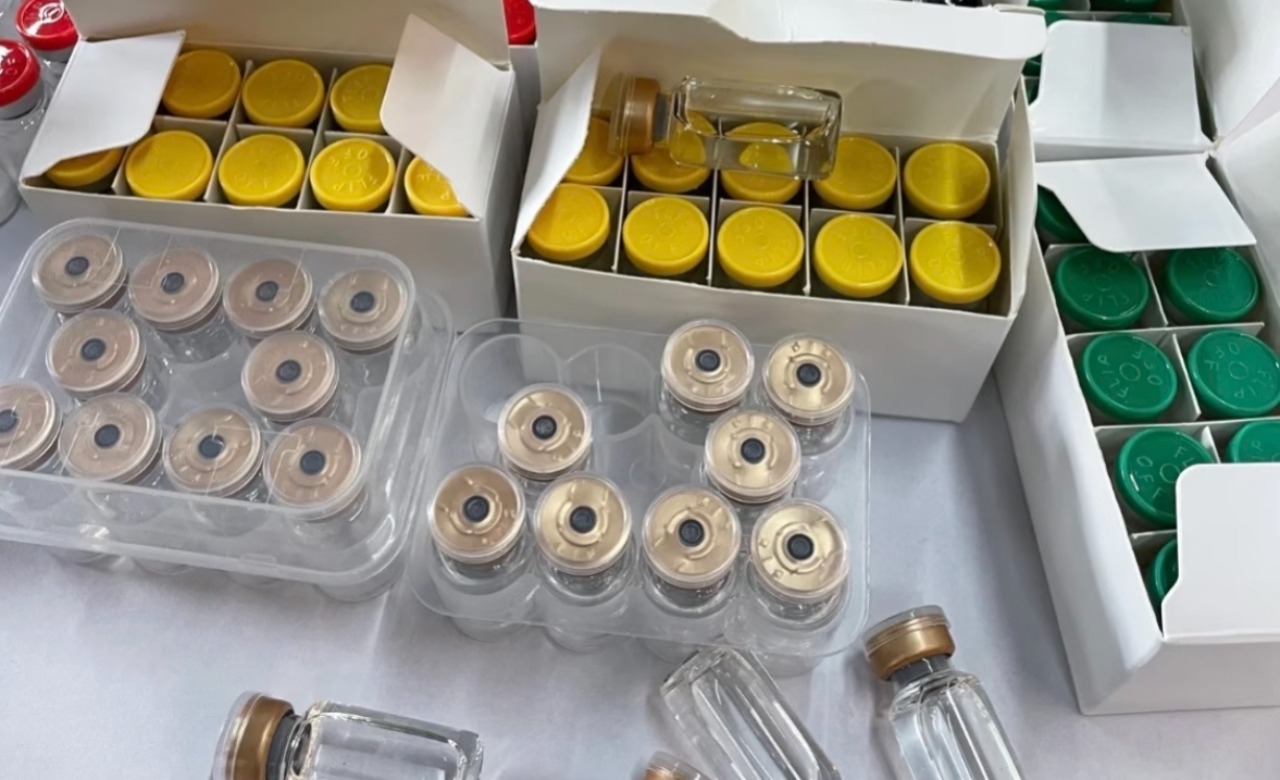
Growth hormone-releasing hormone (GHRH) analog peptides are short synthetic peptides that mimic the native GHRH sequence in order to activate the GHRH receptor in research models. The native human GHRH is a 44-residue peptide【13†L108-L116】. Common analogs include shortened fragments and modified versions: for example, sermorelin is GHRH(1–29) that omits C-terminal residues, and tesamorelin is a GHRH(1–44) analog with an N-terminal acetylation and an amino acid substitution to enhance stability. These modifications (such as acetylation or non-natural amino acids) slow degradation and extend half-life in vitro or in vivo【13†L108-L116】. GHRH analogs are studied in pituitary and metabolic research to probe GH axis regulation without implying therapeutic use; they are exclusively RUO compounds.