Peptides are typically synthesized using solid phase synthesis methods. This allows for the sequential addition of amino acids, ensuring the accurate construction of the desired peptide sequence. The synthesized peptides are then purified and subjected to various assays to determine their biological activities.
Analytical Techniques Used in These Studies
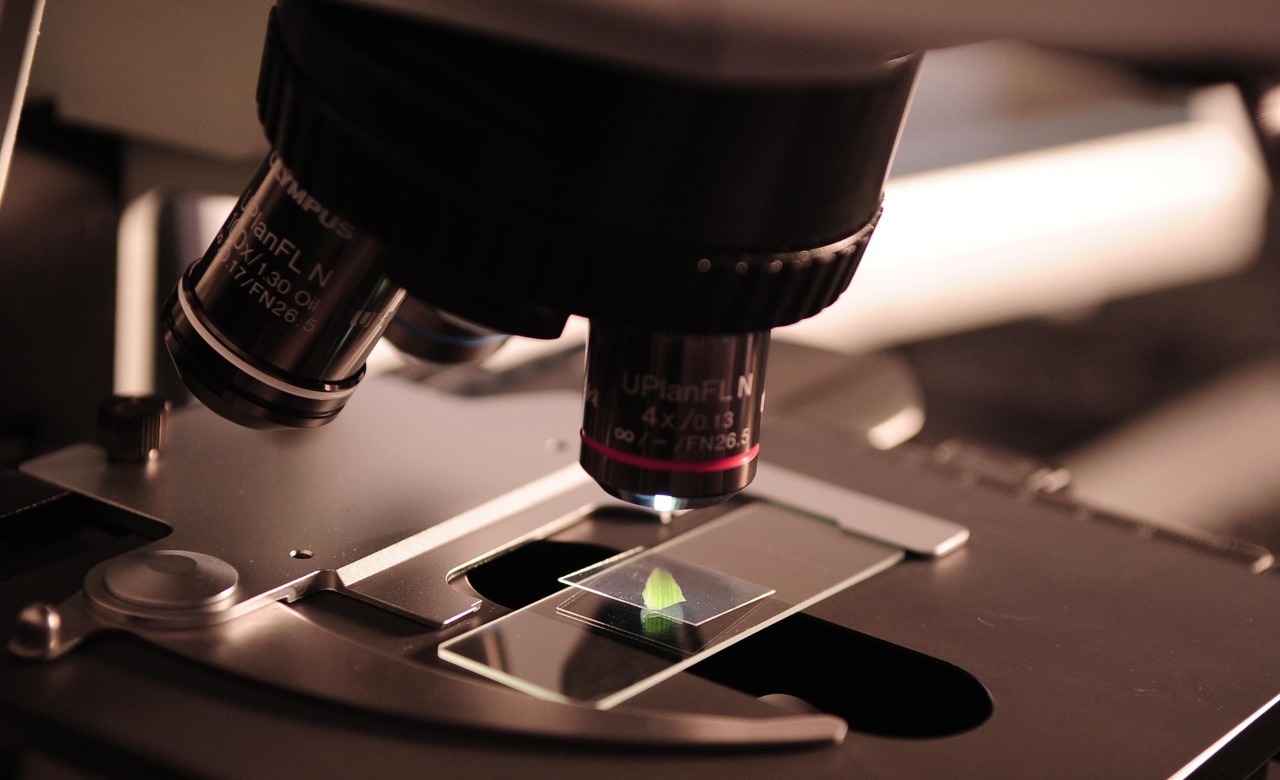
Techniques such as fluorescence microscopy and HPLC are vital. These methods help in characterizing the peptides and analyzing their interactions with bacterial membranes. Additionally, cytotoxicity assays ensure that the peptides are not harmful to human cells.